Login
 
Patient Care    January 28, 2012
 
Top Announcements Minimize
U.S. News Best Hospitals: Orthopedics  in Seattle
in Nation
UW Medical Center
 
 
Harborview Medical Center
 
 
Seattle Children's Hospital
   

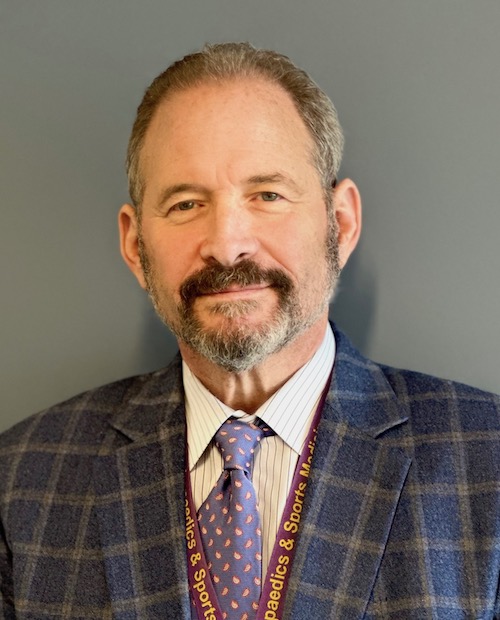
The School of Medicine at the University of Washington announces Dr. Jens R. Chapman as Chair of the Department of Orthopaedics and Sports Medicine
Read More...
 
Chairmanship Acceptance Speech by Dr Jens Chapman for the Department of Orthopaedics and Sports Medicine at University of Washington.

Monday August 1, 2011 @ 6:30am in R&T Building at Harborview Medical Center to discuss Dr Jens Chapman's Chair appointment and the Department's future.


Patient Care Minimize
Our Services
News  Room

MAKE AN APPOINTMENT
206-598-4288
bonejnt@u.washington.edu
Sort By:
JAN
23
Important 2012 Calendar Dates
JAN
17
Passages of UW Alumni: Obituary for Dr Tupper
JAN
3
UW Department of Orthopaedics & Sports Medicine eNews, Issue 8 (January 3, 2012)


Featured Articles, Surgeons and Videos (Hover over the content to select play/pause, previous/next manually) Minimize

 Featured Articles
 Featured Faculty and Staff
 Featured Videos
 For a list of all patient videos click here
 
Arthroscopic shoulder surgery for shoulder dislocation, subluxation, and instability

Why, when and how it is done. Shoulder instability (also called subluxation) and shoulder dislocation are potentially painful and disabling conditions, and the treatments for these conditions vary widely depending upon the severity of symptoms and signs. Many patients will improve with the appropriate bracing and physical therapy. However, for those patients who require surgery, arthroscopic shoulder surgery should be used to both define and diagnose the exact nature of the joint instability. In most cases, the problem can be treated using specially-designed instruments working through very small incisions with a minimum of discomfort and without the need for a hospital stay.

Read More ..


Arthroscopic Meniscectomy-Minimally Invasive Arthroscopic Surgery for Torn Meniscus Cartilage in the Knee

Arthroscopic meniscectomy is an outpatient minimally invasive surgical procedure used to treat a torn meniscus cartilage in the knee. The meniscus is often torn as a result of sport-related injury in athletic individuals. Only the torn segment of the meniscus is removed. Some patients require assistance from physical therapists postoperatively. The average time of return to all activities is 4-6 weeks after the surgery.

Read More ..


Torn Meniscus-torn knee cartilage not limited to athletes or sports

The knee is made up of the femur (thigh bone) and the tibia ( leg bone) which are held together by ligaments, and the patella (knee cap) which lies in the Quadriceps muscle in the front of the knee.

Read More ..


Hallux Valgus (Bunions)

Hallux valgus is a condition in which the big toe migrates laterally toward the second toe. This results in a bump on the inner side of the foot, know as a bunion. It is related to a combination of genetic factors, activities, and inheritance. Some patients who have this condition do not have symptoms. Sometimes symptoms can be relieved just by modifying the shoe to have enough room in the forefoot to accommodate the changed shape.

Read More ..


Surgical Treatment of Spine Cancer

The overall goal of surgical treatment of spinal cancer is to maintain quality of life for patients who have cancer involving the vertebral column, and in some cases, to remove the cancer in an attempt to cure it.

Read More ..


Ream and Run non-prosthetic glenoid arthroplasty for shoulder arthritis

Regenerative cementless surgery designed for individuals desiring higher levels of activity than recommended for traditional total joint replacement. Non-prosthetic glenoid arthroplasty, sometimes called the "ream and run" procedure, is a surgical treatment that can help relieve the pain from severe arthritis of the shoulder. Unlike conventional "metal on plastic" total shoulder replacement (total shoulder arthroplasty), the "ream and run" approach may allow active patients to remain involved in fitness, recreational, and vocational pursuits that would risk premature failure if traditional total shoulder arthroplasty were to be performed.

Read More ..


Hand Surgery for Rheumatoid Arthritis

True arthritis in the hand manifests as swelling over the wrist and the metacarpal phalangeal joint (the knuckles of the hand) with deformity of the fingers as they drift away from the thumb.

Read More ..


Osteoarthritis of the Hip (Hip Arthritis)

"Degenerative Joint Disease" can cause pain, stiffness, and cartilage breakdown. Many kinds of arthritis can affect the hip joint, but by far the most common is osteoarthritis, which some people call "degenerative joint disease." This occurs when the joint surface cartilage (also called hyaline cartilage, or articular cartilage) becomes worn away, leaving the raw bone beneath exposed. The cartilage normally serves as a “pad” or a bearing in the joint, and under normal conditions, the cartilage bearing is even slicker than a hockey puck on ice. When the bearing wears away, the result is a roughed joint surface that causes the pain and stiffness that people associate with osteoarthritis.

Read More ..


Surface replacement for shoulder arthritis

Surgery with a CAP, a special type of conservative resurfacing joint replacement that resurfaces the ball of the ball and socket joint, can lessen pain and improve function. Arthritis of the shoulder is a devastating condition that can seriously compromises the comfort and function of the shoulder. This condition is characterized by the permanent loss of the normal smooth surface of the ball and socket of the shoulder joint. The cartilage that normally provides this smooth surface cannot be restored and resulting loss of comfort and function of the shoulder cannot be totally regained. When the symptoms of shoulder arthritis are severe, shoulder joint replacement arthroplasty becomes a consideration.

Read More ..


Anterior Cruciate Ligament Tears and Their Treatment

Arthroscopic and minimally-invasive surgery for ACL reconstruction.Tears or 'ruptures' of the anterior cruciate ligament (ACL) are treatable using arthroscopy and minimally-invasive surgical techniques. The surgical success rates for ACL reconstruction exceed 95%. The anterior cruciate ligament (ACL) is one of the major supportive ligaments in the knee. It extends from the lower leg bone (tibia) to the thigh bone (femur) at the knee. This ligament primarily helps control knee motion by preventing excessive forward movement of the tibia in relation to the femur.

Read More ..


Complications of shoulder surgery

revision surgery may be helpful when a total shoulder joint replacement, rotator cuff repair or surgery for dislocation fails or is unsuccessful in relieving pain, stiffness, weakness or instability. Even when it is performed well, shoulder surgery may fail to yield a comfortable and functional shoulder. Operations for rotator cuff tears, shoulder dislocations, fractures, and shoulder arthritis may be complicated by shoulder stiffness, weakness, instability, loosening, wear, fracture or infection. An important example is the failure of the glenoid component in a total shoulder joint replacement.

Read More ..


Scoliosis - A Patient Primer

Scoliosis is defined as a curvature of the spine in the frontal and/or coronal plane. In other words, the spine is abnormally curved when viewed from the front of the patient, and when viewed from above. The normal spinal column has no curvature when viewed from to front, but does have a curvature when viewed from the side (sagittal plane). Think of your spine when standing- your neck curves backwards slightly, your upper back is slightly rounded, and you have a slight swayback in your lower spine. When the spine becomes curved in the frontal plane as it does with scoliosis, some of the sagittal plane curve is usually lost.

Read More ..


Osteoarthritis of the Knee (Knee Arthritis)

"Degenerative Joint Disease" can cause pain, stiffness, and cartilage breakdown. Many kinds of arthritis can affect the knee joint, but by far the most common is osteoarthritis, which some people call "degenerative joint disease." This occurs when the joint surface cartilage (also called hyaline cartilage, or articular cartilage) becomes worn away, leaving the raw bone beneath exposed. The cartilage normally serves as a “pad” or a bearing in the joint, and under normal conditions, the cartilage bearing is even slicker than a hockey puck on ice. When the bearing wears away, the result is a roughed joint surface that causes the pain and stiffness that people associate with osteoarthritis.

Read More ..


Total Knee Replacement: A Patient's Guide

This article reviews the benefits, risks, and alternatives to total knee replacement surgery (which is sometimes called total knee arthroplasty).

Read More ..


Surgery for painful elbow joint arthritis, elbow instability, and tendonitis

Elbow replacement, ligament reconstruction and repair, and tendon surgery. This article reviews common painful conditions that affect the elbow joint, including elbow arthritis, instability, and tendonitis (tendinitis), and discusses several surgical procedures that can help relieve pain and restore function, such as total elbow replacement (arthroplasty), ligament repair and reconstruction, and tendon surgery.

Read More ..


Information for patients with Dupuytren's Disease

Dupuytren's disease is a slowly progressive condition that causes flexion contractures of the fingers and thumb. This means that the affected fingers (most often the small and ring) get pulled down toward the palm, and the ability to straighten the fingers is lost. Surgery is the only widely accepted treatment for this condition. Dupuytren's disease is not dangerous in terms of the patient's general health, but can interfere with the patient's ability to use their hands for work or recreation. In general, surgery is useful once hand function becomes significantly compromised.

Read More ..


Knee Arthritis

Knee arthritis occurs when the joint surface cartilage (also called hyaline cartilage, or articular cartilage) becomes worn away, leaving the raw bone beneath exposed. The cartilage normally serves as a “pad” or a bearing in the joint, and under normal conditions, the cartilage bearing is even slicker than a hockey puck on ice. When the bearing wears away, the result is a rough joint surface that causes the pain and stiffness that people associate with osteoarthritis.

Read More ..


Surgical and non-surgical treatment for dislocation of the elbow

The elbow is the second most commonly dislocated major joint. Elbow dislocations frequently occur due to trauma, such as falls from heights or motor vehicle collisions. Elbow dislocations can be either simple or complex. Higher energy elbow dislocations are often associated with fractures of various parts of the elbow. These higher energy injuries are defined as “complex” elbow dislocations. An elbow dislocation is defined as “simple” if there is no associated fracture. Simple dislocations typically do not require surgery. However, when a fracture has occurred, the elbow may remain unstable if surgery is not performed. The goal of treatment in both types of injury is to restore a functional range of motion and a pain-free joint for the patient.

Read More ..


Chondrolysis

Chondrolysis of the shoulder after arthroscopy - association with pain pumps to infuse local anesthetics after shoulder arthroscopy. Chondrolysis is a severe type of shoulder arthritis in which the cartilage of the joint is abruptly lost. It can occur in otherwise healthy shoulders after arthroscopic procedures. The risk of chondrolysis is increased when local anesthetics - either Bupivacaine (Marcaine) or Lidocaine (Xylocaine) - are infused into the joint for postoperative pain control. The inclusion of epinephrine in the infusion may further increase the risk. The risk of chondrolysis is also increased when radiofrequency or thermal energy are used in the joint.

Read More ..


Hip and Knee Questions and Answers

What options are available for a patient who has severe arthritis (sometimes called "bone-on-bone") throughout the knee?

When the weight-bearing surface of a joint, called cartilage, is lost or severely damaged, that condition is called arthritis, or degenerative joint disease. Normal cartilage is very smooth and slippery. Arthritic cartilage is rough and cracked. When the cartilage is gone completely, bones beneath the cartilage on opposite sides of the joint rub against one another, and this can be quite painful.

Read More ..


What is Hip Replacement?

A Review of Total Hip Arthroplasty, Hip Resurfacing, and Minimally-Invasive Hip Surgery. Total hip replacement (THR) is a surgical procedure that relieves pain from most kinds of hip arthritis, improving the quality of life for the large majority of patients who undergo the operation.

Read More ..


Reverse Total Shoulder or Delta Shoulder for Shoulder Arthritis Combined with Massive Rotator Cuff Tear and for Failed Conventional Total Shoulder Replacement

The reverse total shoulder replacement can restore comfort and function to the arthritic shoulder combined with a massive rotator cuff tear and for failed conventional total shoulder replacement. This combination of conditions can result in major loss of stability and active motion of the shoulder. The reverse total shoulder provides stability of the shoulder joint so that the deltoid muscle can power the shoulder through a useful range of motion. In this procedure the arthritic ball is replaced by a socket fixed to the arm bone (humerus) by a stem that fits within it. A metal ball is fixed to the bone of the arthritic socket with screws. Success requires technical excellence of the surgery and a commitment to a conservative rehabilitation program.

Read More ..


Repair of Rotator Cuff Tears

Surgery for shoulders with torn rotator cuff tendons can lessen shoulder pain and improve function without acromioplasty. The rotator cuff is a group of four tendons that blend together to help stabilize and move the shoulder. Each of the four tendons connects a muscle originating on the shoulder blade (scapula) to part of the upper part of the arm bone (humerus).

Read More ..


Shoulder osteoarthritis, chondrolysis, rheumatoid arthritis, degenerative joint disease, and arthritis after shoulder arthroscopy and open surgery

In shoulder arthritis, the smooth cartilage that normally covers the surfaces of the ball (humeral head) and socket (glenoid) is lost. The result is that there is bone on bone rubbing between these two joint surfaces. This bone-on-bone contact produces pain, stiffness, difficulty sleeping and the inability to do activities of daily living, work and sports.

Read More ..


Minimally-Invasive Surgery (MIS) Quadriceps-Sparing Total Knee Replacement

New Quad Sparing Technique May Provide Faster Recovery for Patients with Arthritis of the Knee. Knee replacement is a surgical procedure that decreases pain and improves the quality of life in many patients with severe knee arthritis. Typically, patients undergo this surgery after non-operative treatments (such as activity modification, anti-inflammatory medications, or knee joint injections) have failed to provide relief of arthritic symptoms. Surgeons have performed knee replacements for over three decades, generally with excellent results; most reports have ten-year success rates in excess of 90 percent.

Read More ..


Shoulder arthritis and rotator cuff tears

The combination of arthritis and rotator cuff tears is called rotator cuff tear arthropathy. The management of this condition requires thought and experience. Rotator cuff tear arthropathy (or shoulder arthritis with a large rotator cuff tear) is a severe and complex form of shoulder arthritis in which the shoulder has lost not only the cartilage that normally covers its joint surface, but also the tendons of the rotator cuff tear which help position and power the joint.

Read More ..


Ream and Run for Shoulder Arthritis

Conservative Reconstructive Surgery for Selected Individuals Desiring Higher Levels of Activity than Recommended for Traditional Total Shoulder Joint Replacement. The ream and run procedure can restore comfort and function to the arthritic shoulder. In this procedure the arthritic ball is replaced by a smooth metal ball fixed to the arm bone (humerus) by a stem that fits within it. The bone of the arthritic socket is reamed to the desired shape and allowed to heal with a biological surface during the period of recovery after surgery. This proce- dure avoids the possible risks and limitations associated with a plastic socket replacement and with the cement used to fix it in position. Success requires technical excellence of the surgery and a steadfast commitment to the exercise program until the desired range of motion can be achieved comfortably.

Read More ..


Anterior glenoid reconstruction for unstable dislocating shoulders

Surgery to restore lost anterior glenoid bone and deep the socket with a bone graft can restore shoulder anatomy and lessen pain and improve function. A Bankart repair is usually successful in stabilizing a shoulder with recurring dislocations. However, sometimes surgery can fail to stabilize the shoulder, either because the repair is not strong enough or because the socket of the shoulder is compromised. In these situations, a contoured bone graft may provide the needed stability by deepening the socket.

Read More ..


Surgical options for early arthritis in young persons and athletes

The role of meniscus transplants, microfracture, Osteoarticular Transplants (OATs), Autologous Chondrocyte Implantation (ACI) and osteotomy. Articular cartilage is a smooth, gliding surface material which covers the ends of your bones at the joints. Think of it like the non-stick TeflonÒ coating in a pan. Articular cartilage decreases the friction that occurs when your joints move. When the cartilage becomes injured or worn, the joint gliding can be impaired and become painful. Injuries or wear to the articular cartilage can manifest as joint pain, clicking, locking, or swelling which can impair function.

Read More ..


Minimally-Invasive Total Hip Replacement Surgery

The key to minimally-invasive hip surgery is protecting the muscle and other tissues around the joint. In minimally-invasive total hip replacement surgery, a surgeon makes two small incisions – one in front of the hip and one in the back. With traditional hip replacement surgery a 5 to 10-inch incision in the side of the hip is needed, whereas with the minimally-invasive approach, incisions are about 1.5 inches and two inches in length, though this can vary with the size of the patient. Using x-ray guidance, the surgeon pushes aside the hip muscle, rather than cutting it to remove the arthritic hip and replace the hip’s “ball” and “socket” with titanium implants.

Read More ..


Rotator Cuff Tear

When to Repair and When to Smooth and Move the Shoulder. The rotator cuff is the most commonly torn structure in the shoulder. Rotator cuff tears usually produce symptoms of weakness and pain, especially on trying to lift the arm. When an acute injury results in a rotator cuff tear, consideration should be given to a surgical repair within six weeks of the injury to avoid atrophy of the muscle and tendon. Long standing rotator cuff tears and those that come on without an injury may benefit from a course of rehabilitative exercises (see ‘home exercises for the stiff shoulder’ and ‘home exercises for the weak shoulder’ on our website www.orthop.washington.edu). If these exercises are not helpful, consideration can be given to a rotator cuff surgery – either to smooth out the roughness from the tear or, if the tissue is of good quality and quantity, to perform a surgical repair.

Read More ..


Avascular Necrosis of the Lunate

Kienbock’s disease is an idiopathic condition, meaning there is no known cause. The pathology results from ischemia and subsequent necrosis of the lunate, one of the primary bones of the wrist. As the lunate collapses, the wrist undergoes a predictable pattern of arthritic degeneration and coinciding instability. Patients will often complain of site-specific pain, weakness, and mechanical symptoms (clicking, clunking, subjective instability, and stiffness). Depending on the stage at presentation, different modalities of treatment are available.

Read More ..


Unicompartmental Knee Arthroplasty

A Patient's Guide to Partial Knee Replacement using Minimally-Invasive Surgery (MIS) Techniques. This article covers topics related to unicompartmental knee arthroplasty (sometimes called unicompartmental knee replacement or partial knee replacement) using minimally-invasive surgery (MIS) techniques for the treatment of arthritis.

Read More ..


Compartmental Syndromes

A compartmental syndrome is a condition in which increased pressure within a limited space compromises the circulation and function of the tissues within that space. This condition is a cause of major loss of function, limb and even life. It can result from trauma, prolonged recumbancy (in surgery or resulting from drugs or alcohol), or physical activity. It is common enough to affect thousands of individuals each year, yet rare enough that each physician may encounter it only once or twice during his or her career.

Read More ..


Osteoporosis

Osteoporosis (Greek: bone with too many passages) is a condition in which the holes in the bones become larger. Instead of bone, the spaces are filled with fat or bone marrow cells and the bone density is decreased. The bones are weak and break easily.

Read More ..


Kyphoplasty and Vertebroplasty

Minimally Invasive Percutaneous Treatment for Osteoporotic Compression Fractures. Compression fractures in the spine can occur in the in patients with osteoporosis, which is commonly seen in the elderly. These fractures occur with little trauma to metabolically weakened bone. This is in contrast with a traumatic compression fracture which can occur in high energy traumas like a motor vehicle accident.

Read More ..


Is it a slipped disc?

Pinched nerve? Sciatica? Leg Pain May Stem from pinched nerve in the low back. Low back pain may be caused by disk herniation, facet joint arthritis, congenital narrowing of the spinal canal, and other conditions. Some patients have back pain that also associated with pain and/or other symptoms in their legs.

Read More ..


Spinal Fusion for the Treatment of Idiopathic Scoliosis in Children

Orthopedic Surgery to Treat Curvature of the Back in Children and Teenagers. Idiopathic scoliosis is a curvature of the spine that occurs in children and young teenagers. This condition affects about 2 to 3 percent of children under the age of 16. Most of the time, the curve in the back will remain small and will not progress, however, with growth and over time, it may worsen. This condition causes a visible deformity or a bump that appears on the child’s ribs or in the muscle adjacent to the spine.

Read More ..


Total Shoulder Replacement Arthroplasty for Shoulder Arthritis

Total shoulder replacement arthroplasty is a well-established surgery for restoring comfort and function to the arthritic shoulder. In this procedure the arthritic ball is replaced by a smooth metal ball fixed to the arm bone (humerus) by a stem that fits within it. The arthritic socket (glenoid) is resurfaced with high-density polyethylene prosthesis. Among the different surgical options this procedure appears to provide the most rapid and complete improvement in comfort and function for shoulders with arthritis. Success requires technical excellence of the surgery and a commitment to the exercise program until the desired range of motion can be achieved comfortably.

Read More ..


Treating Shoulder Dislocation / Subluxation (Instability) and Associated Pain with Minimally Invasive Arthroscopy

Tears to the labrum cartilage and shoulder ligaments are common shoulder injuries, caused by a single traumatic event or by sustained overuse or wear of the shoulder joint. Such tears make the joint vulnerable to recurrent slipping, dislocation, and accompanying pain.

Read More ..


The CTA Prosthesis for Shoulder Arthritis Combined with Massive Rotator Cuff Tear When the Shoulder Is Stable

The cuff tear arthropathy (CTA) prosthesis can restore comfort and function to the arthritic shoulder combined with a massive rotator cuff tear as long as the shoulder is stable. This combination of conditions can result in major loss of comfort and smoothness of the shoulder. The CTA prosthesis can restore smoothness and comfort to the shoulder as long as the coracoacromial arch remains intact. In this procedure the arthritic ball is replaced by a smooth metal ball with an extended joint surface that fits within the socket of the shoulder. Success requires technical excellence of the surgery and a commitment to the rehabilitation program until the desired range of motion can be achieved comfortably.

Read More ..


Active after ACL surgery

ACL tears are more common in people who play soccer and basketball and four to eight times more prevalent in women. They cause immediate discomfort and knee swelling.

Read More ..


Total shoulder joint replacement for shoulder arthritis

Surgery with a dependable, time-tested conservative prosthesis and accelerated rehabilitation can lessen pain and improve function in shoulders with arthritis. Total shoulder replacement surgery (arthroplasty) helps restore comfort and function to shoulders damaged by degenerative joint disease, osteoarthritis, or rheumatoid arthritis.

Read More ..


Reverse Shoulder Replacement (Delta joint replacement) for arthritis

Surgery with a reverse prosthesis can lessen shoulder pain and improve function in shoulders with failed surgery or combined arthritis, rotator cuff tears and instability. The reverse total shoulder replacement arthroplasty enables experienced shoulder surgeons to treat patients with conditions that previously had no solution. These conditions include rotator cuff tear arthroplasty, instability with anterosuperior escape, pseudoparalysis, and failures of surgery for arthritis and facture management.

Read More ..


Cervical Disc Replacement or Fusion?

Surgery for arm and neck pain, numbness, tingling and weakness from neck arthritis, disc herniation (slipped disc) and radiculopathy. A commonly performed surgery for the treatment of a symptomatic herniated disc (“slipped disc”) is an anterior cervical discectomy and fusion (ACDF) (Figure 1). This operation involves removing part of the disc between the cervical vertebrae (neck bones), and fusing (surgically uniting) the adjacent vertebrae together. While this is effective in the treatment of symptoms of arm and neck pain, numbness, tingling and weakness, which often occur in patients with arthritis of the cervical spine (neck), there are some concerns about the possible longer-term effects of having the vertebrae (bones) of the neck fused together.

Read More ..


Total elbow joint replacement for elbow arthritis

Surgery with a dependable, time-tested prosthesis can lessen pain and improve function in elbows, especially in rheumatoid arthritis of the elbow. Total elbow replacement surgery (arthroplasty) can help restore comfort and function to elbows damaged by rheumatoid arthritis. In elbow arthritis the joint surface is destroyed by wear and tear, inflammation, injury, or previous surgery. This joint destruction makes the elbow stiff, painful, and unable to carry out its normal functions. Elbow joint replacement can be effective primarily in the management of severe elbow involvement from rheumatoid arthritis.

Read More ..


Pelvic Fracture Surgery

Displaced (misaligned) fractures and dislocations of the pelvic ring can be stabilized with various surgical techniques. A variety of surgical techniques are used to stabilize pelvic ring disruptions (fractures and/or dislocations). Both external (outside the skin) and internal (located in or on the bone) fixations are advocated. Pelvic stability provides comfort, decreases hemorrhage, and facilitates patient mobilization.

Read More ..


Bankart repair for unstable dislocating shoulders

Surgery to anatomically and securely repair the torn anterior glenoid labrum and capsule without arthroscopy can lessen pain and improve function for active individuals. The normal shoulder is a marvel of mobility and stability. It provides more motion than any other joint in the human body, yet the humeral head (ball of the shoulder joint) remains precisely centered in the glenoid (the socket of the joint) throughout the wide range of shoulder activities. One of the main stabilizing mechanisms is concavity compression, in which the head of the humerus is held into the glenoid concavity by the action of the rotator cuff (much like a golf ball is held into the concavity of a golf tee).

Read More ..


Shoulder joint replacement arthroplasty for shoulder arthritis pain and stiffness

Joint replacement surgery is the most reliable solution for patients with shoulder arthritis that causes disabling pain and loss of function. The two types of replacement surgery for patients that have arthritis that affects both the ball (humerus) and socket (glenoid) are: (1) Total Shoulder Arthroplasty and (2) ‘Ream and Run’. The following Frequently Asked Questions are intended to help you decide which is best for you.

Read More ..


Shoulder arthritis

Osteoarthritis, Chondrolysis, Rheumatoid Arthritis, Degenerative joint disease, and arthritis after shoulder surgery. In shoulder arthritis, the smooth cartilage that normally covers the surfaces of the ball (humeral head) and socket (glenoid) is lost. The result is that there is bone on bone rubbing between these two joint surfaces.

Read More ..


Basics of failed shoulder surgery, complications of shoulder surgery and revision shoulder surgery

A shoulder surgery has failed when it does not achieve the expectations of the patient and the surgeon. Failure can result from stiffness, weakness, instability, pain or failure to heal as well as from complications such as infection or nerve injury. Every surgery has a risk of failure, whether it is an operation for dislocation, rotator cuff tear, arthritis or fracture. Because fracture fixation, Bankart repairs, rotator cuff repairs, shoulder joint replacements, and reverse total shoulders are performed commonly, a substantial number of patients have experienced these failures.

Read More ..


Arthroscopic shoulder surgery for the treatment of rotator cuff tears

Why, when and how it is done. Tears of the rotator cuff of the shoulder are potentially painful and disabling conditions, and the treatments for these conditions vary widely depending upon the severity of symptoms and signs. The person with a rotator cuff tear can have a sudden (acute/traumatic) or gradual (chronic) onset of shoulder pain with or without weakness. Although tears can occur as a result of a traumatic injury, many tears occur gradually and no specific injury can be recalled. The pain is usually located at the front and side of the shoulder or upper arm, and is frequently described as having a “aching”, “burning” or “toothachy” quality. The usually occurs with overhead motions, but can progress to the point that it is present with normal activities, or wake the patient during sleep.

Read More ..


Anterior Cervical Discectomy, Decompression and Fusion for the Treatment of Pain, Weakness, Numbness and Tingling in the Neck and Arm caused by Radiculopathy or Myelopathy

Some people experience a narrowing of the canal that surrounds the spine. This narrowing condition, called stenosis, can emerge at any region of the spine, from the cervical (neck) to the sacral (tailbone). In the cervical spine, stenosis creates pressure that not only can inflame the spinal nerves but also can radiate pain to a person’s arms and legs. Decompression and fusion surgery of the cervical spine can relieve the pressure and reduce the pain.

Read More ..


Carpal Tunnel Syndrome

Minimally Invasive Endoscopic Carpal Tunnel Release. Endoscopic carpal tunnel release (endo-CTR) surgery helps to relieve the pain and numbness caused by carpal tunnel syndrome. In carpal tunnel syndrome (CTS), the median nerve is compressed at the wrist because the transverse carpal ligament has become contracted as a result of activities, aging or both. The median nerve supplies sensation to the thumb, index, middle, and half the ring finger as well as supplying the thumb muscle. Patients with CTS often have numbness, particularly at night, and weakness.

Read More ..


Surgical Management of Spinal Stenosis

Spinal stenosis is a fairly common problem caused by constriction of the spinal cord or nerves exiting from the spinal cord. This can occur in the neck (cervical) as well as the lower back (lumbar) and on rare occasion, in the central (thoracic) spine.

Read More ..


Ankle Arthritis

Ankle arthritis is a clinical condition in which the joint that connects the foot to the leg, known as the tibiotalar or ankle joint, has damaged or worn out cartilage. There are three bones involved in this joint: the tibia, the fibula and the talus. The arthritis can involve any or all of these bones. Arthritis is characterized by pain and swelling.

Read More ..


Posterior glenoid osteoplasty for unstable dislocating shoulders

Surgery to build up the back of the glenoid socket using an osteotomy and graft can restore shoulder anatomy and lessen pain and improve function. A common cause of posterior dislocations and posterior instability of the shoulder is the loss of the rim or lip on the back of the socket of the shoulder joint. The posterior glenoid concavity can be restored by a procedure known as posterior glenoid osteoplasty.

Read More ..


Meniscus Allograft Replacement Surgery

A minimally invasive method to restore previously removed torn knee cartilage with cadaver tissue. Meniscus allograft replacement surgery is a minimally invasive method to restore previously removed torn knee cartilage with cadaver tissue. The new meniscus is sewn in place and requires postoperative protection to allow healing. Physical therapy is useful to regain full function of the knee, which occurs on average 6 months after surgery.

Read More ..


Shoulder Arthritis

Shoulder arthritis is a condition in which the cartilage that normally provides a smooth covering over the ball and socket is lost. This cartilage loss can result from degeneration, wear and tear, inflammatory disease (i.e. rheumatoid arthritis), injury or prior surgery.

Read More ..


Spine Surgery for Rheumatoid Arthritis

As with any joint in the body, the small joints of the spine can be destroyed by rheumatoid arthritis. This can lead to instability, pain and in advanced cases to compression of the spinal cord and nerve roots emerging from it. This occurs most commonly in the upper neck, but may affect the lower neck or lower back as well.

Read More ..


Surgery for Anterior Cruciate Ligament Deficiency in Children and Young Adults

A knee without an anterior cruciate ligament (ACL) is a potentially unstable knee. The ACL is a primary resistor to anterior translation of the tibia on the femur (it is a tether to limit forward slipping of the tibia at the knee). The action of the ACL is typically noticed during running and cutting activities (running with sudden changes of direction), while descending stairs, and often during simple activities of daily living.

Read More ..


Bone-Sparing, Total Hip Resurfacing Arthroplasty Surgery (Metal-on-Metal Device)

Total hip resurfacing arthroplasty is a bone-preserving procedure that helps restore comfort and function to patients’ hips damaged by degenerative joint disease (osteoarthritis, rheumatoid arthritis, and traumatic arthritis), avascular necrosis, or developmental hip dysplasia. It is viewed as an alternative to traditional hip replacements for helping patients return to their active lifestyles.

Read More ..


Hip Socket Fracture Surgery

Acetabular (hip socket) fractures are serious orthopedic injuries usually resulting from significant trauma. Acetabular fracture surgery realigns and stabilizes the displaced joint surfaces, while allowing the patient to avoid traction and prolonged bedrest.

Read More ..


Arthroscopy in Children and Teenagers (Ages 8 to 18)

Active children and teenagers sometimes can have structural injuries to their knees. The meniscus, which is a shock-absorbing cartilage in the knee, can tear; often these painful injuries are treated surgically, using a minimally-invasive procedure called arthroscopy. Using arthroscopy, surgeons can repair or trim torn meniscus cartilages, which can relieve pain and often return the child or teen to a high level of athletic function.

Read More ..


Ream and Run for Shoulder Arthritis

Conservative Reconstructive Surgery for Selected Individuals Desiring Higher Levels of Activity than Recommended for Traditional Total Shoulder Joint Replacement by Frederick A. Matsen III, M.D.

The ream and run procedure can restore comfort and function to the arthritic shoulder. In this procedure the arthritic ball is replaced by a smooth metal ball fixed to the arm bone (humerus) by a stem that fits within it. The bone of the arthritic socket is reamed to the desired shape and allowed to heal with a biological surface during the period of recovery after surgery. This proce- dure avoids the possible risks and limitations associated with a plastic socket replacement and with the cement used to fix it in position. Success requires technical excellence of the surgery and a steadfast commitment to the exercise program until the desired range of motion can be achieved comfortably.

Read More ..


Cuff tear arthropathy - CTA - prosthesis for shoulder arthritis

Surgery with a cementless CTA prosthesis can lessen pain and improve function in shoulders with the combination of arthritis and rotator cuff tears. Rotator cuff tear arthropathy (arthritis with a massive rotator cuff tear) is a devastating condition that seriously compromises the comfort and function of the shoulder. This condition is characterized by the permanent loss of the rotator cuff tendons and the normal surface of the shoulder joint. These tissues cannot be restored to their normal condition and the lost comfort and function of the shoulder cannot be totally regained. However, in the hands of an experienced surgeon and in a well-motivated individual, shoulder replacement surgery with a cuff tear arthropathy (CTA) head prosthesis along with post-surgical rehabilitation can help restore substantial comfort and function to shoulders damaged by cuff tear arthropathy.

Read More ..


Total Ankle / Ankle Replacement Surgery for Arthritis

Total ankle replacement (also called ankle arthroplasty) is a surgical option for patients with arthritis of the ankle. This operation can relieve pain and maintain motion in the arthritic ankle joint, and is an alternative to arthrodesis (ankle fusion), which can relieve pain but eliminates motion in the joint. Although it does not have the same long-term track record of hip or knee replacement, shorter-term studies on ankle replacement look very promising.

Read More ..


Arthroscopic Meniscus Repair

A minimally invasive method to repair torn knee cartilage. Arthroscopic meniscus repair is an outpatient surgical procedure to repair torn knee cartilage. The torn meniscus is repaired by a variety of minimally invasive techniques and requires postoperative protection to allow healing. Physical therapy is useful to regain full function of the knee, which occurs on average 4-5 months after surgery.

Read More ..


An interview with Carol Teitz, M.D.

Dr. Carol Teitz is a Professor of Orthopedics and Sports Medicine at the University of Washington where she has been on the School of Medicine faculty since 1980. She is an honors graduate of the University of Cincinnati and received her M.D degree from Yale University School of Medicine.

Read More ...

 
An interview with Gregory Schmale, M.D.

Greg grew up in Rochester, New York, learning to love the outdoors and a wide variety of sporting activities. A yearning for higher education led him to medical school at the University of Washington and his current career path ultimately into pediatric orthopedics.

Read More ...

 
An interview with Seth Leopold, M.D.

Dr. Leopold specializes in knee and hip replacement surgery. He has a particular interest in the use of minimally-invasive joint replacement techniques to decrease post-operative pain, shorten the hospital stay, and help his patients recover more quickly following the surgery. He performs and teaches quadriceps-sparing total knee replacement, a new technique that may help patients return to function within weeks of knee replacement surgery, rather than months.

Read More ...

 
An interview with Winston Warme, M.D.

Dr. Warme retired from a career as an academic orthopedist in the US Army in 2007. Beginning as a Special Forces Medic, he developed an interest in sports medicine, with special focus on shoulder and elbow problems. Dr. Warme completed a fellowship with Dr. Arciero in 1998. As a Shoulder and Elbow Team member at UW, Dr. Warme continues to provide optimal care to patients while teaching orthopedic surgeons-in-training and forwarding related research projects.

Read More ...

 
An interview with Wally Krengel, M.D.

Dr. Krengel is a Seattle native who went to College and Medical School at Stanford University. Since 1996 he practiced mainly at Overlake Hospital with Proliance Surgeons, and has extensive experience in the surgical and non-surgical management of Spinal Disorders in Children and Adults. He joined the University of Washington Faculty full time in February of 2008, as Associate Professor in Orthopedics, and Director of Spine Services at Children’s Hospital.

Read More ...

 
An interview with Ernest "Chappie" Conrad III, M.D., F.A.C.S.

Dr. Conrad received his medical degree from the University of Virginia after graduating from Washington and Lee University in Lexington, Virginia. He completed his orthopedic training at the Hospital for Special Surgery and served as a fellow in orthopedic oncology for Dr. William Enneking at the University of Florida, and also as a fellow in pediatric orthopedics for Dr. Mercer Rang at the Hospital for Sick Children in Toronto, Ontario.

Read More ...

 
An interview with David Barei, M.D., FRCSC

Dr. Barei was born and raised in Windsor, Ontario, Canada. Despite living in the Automotive Capital of Canada, he pursued higher education north of Windsor, first studying in the biologic sciences at The University of Western Ontario in London. Subsequent to this, he pursued his medical degree and orthopedic residency in the Nation’s Capital of Ottawa, Ontario.

Read More ...

 
An interview with John O'Kane, M.D.

Dr. O’Kane grew up in Vermont attending Dartmouth College. He was a varsity letter winner in football and directed the Dartmouth Ski School as an undergraduate. He graduated Magna Cum Laude with Honors in Biology and attended medical school at the University of Vermont where he was awarded membership in the AKA medical honor society.

Read More ...

 
An interview with Dan Stamper PA-C

I grew up in a farming community located 45 miles north of Malibu in southern California. After high school, I went to work with my father as an ironworker. Two years later, I joined the US Army and was trained as a combat medic. I graduated from the University of Washington School of Medicine (MEDEX Northwest) in 2001. I joined the orthopedic team at the University of Washington in 2003.

Read More ...


An interview with Alexander Bertelsen PA-C

Alexander Bertelsen is a graduate from the University of Washington Physician Assistant Program in 2005 and is now working with the University of Washington Orthopedics and Sports Medicine Department.

Read More ...

 
An interview with Christopher Wahl, M.D.

Dr. Wahl joined the faculty of the UW Department of Orthopedics and Sports Medicine as an assistant professor and UW team physician in July 2004. He sees patients at the UW Sports Medicine Center and at the Eastside Specialty Center.

Read More ...

 
An interview with Michael Lee, M.D.

Dr. Lee is an Assistant Professor in spine surgery who specializes in degenerative conditions of the spine.  He has a particular interest in newer surgical technologies, including minimally invasive approaches to the spine, and disc replacement surgeries.  He graduated from Northwestern University Medical School in Chicago IL, and joined the University of Washington faculty in 2007.


Read More ..


An interview with Susan Ott, M.D.

Dr. Susan Ott received her BA degree from Stanford University and her MD from the University of Washington. She did a combined residency in Family Practice and Internal Medicine at the University of California at Davis and further training as a nephrology fellow at the University of Washington, after which she joined the faculty.

Read More ...

 
An interview with Rick Matsen, M.D.

Dr Matsen has dedicated his entire professional life to developing excellence in Orthopedics and Sports Medicine at the University of Washington. Starting with his residency here in 1971 he developed an interest in shoulder and elbow reconstruction.  A fellowship with the father of modern shoulder surgery, Dr Charles S. Neer II confirmed his lifetime commitment to improving the art of care of patients with simple and complex problems involving the shoulder and elbow.

Read More ...

 
An interview with Theodore Wagner, M.D.

I’ve enjoyed clinical care in surgery from the time I started my residency up until the present. Throughout my career I have always found someone who can teach me a new trick if I can find residents and students who will benefit from hearing these ideas.

Read More ...

An interview with Suzanne Slaney, PA-C, ATC, MMS

Suzanne Slaney joined the Department of Orthopedics and Sports Medicine as a certified physician assistant (PA) in November 2005. She complements and extends Dr. Wahl’s sports medicine practice at the UW Sports Medicine Clinic.

Read More ...

 
An interview with Daphne Beingessner, M.D.

Dr. Beingessner was born and raised in Waterloo, Ontario, Canada. She completed Medical School and her Orthopedic Surgery Residency at the University of Western Ontario in London, Ontario. Following residency training, she completed a Hand and Upper Limb Fellowship at the Hand and Upper Limb Center in London, Ontario. She traveled to Seattle, Washington to join the Trauma Advanced Clinical Experience program at Harborview Medical Center.

Read More ...

 
An interview with Peter Hall, PA-C

I grew up in the north end of Seattle. Early in my health care career, I worked as an Emergency Medical Technician in Seattle. I moved on to a clinical setting in Orthopaedics prior to my PA training. As I graduated from University of Washington School of Medicine (MEDEX Northwest) in 2007, it didn’t take long to find a home with the UWMC Orthopaedic team in 2008.

Read More ...


An interview with Richard Bransford, M.D.

I love to see people get better and see their change in outlook. I love to take care of challenging problems and see a positive outcome.

Read More ...


Sports: UW Sports Medicine For Every Athlete
UW Sports Medicine Clinic physicians discuss the team approach they take in treating their most physically active patients.


Sports: ACL Repair
Now Michelle French plays soccer for the Seattle Sounders, and that's how she tore her right knee's anterior cruciate ligament (ACL). She was treated by Dr. Chris Wahl, an orthopedic surgeon at the University of Washington Medical Center.


Shoulder Surgery: Ream and Run
Dr. Rick Matsen is the pioneer of a procedure called a "ream and run"; an alternative to a traditional shoulder replacement surgery. 

In the OR with Dr. Jens R. Chapman

Sports: Arthroscopic Shoulder Stabilization
What happens when a shoulder dislocates? Dr. Chris Wahl, an orthopaedic surgeon, talks with University of Washington Huskies basketball player Mike Jensen, who severely dislocated his left shoulder and tore ligaments just before his senior season.

 
The Trauma Story
 is a film produced by Pivotal Productions, LLC documenting the story of how Seattle came to the forefront of trauma care. (http://www.traumastory.com) 


Find News Minimize
Important 2012 Calendar Dates
4 days ago
Passages of UW Alumni: Obituary for Dr Tupper
2 weeks ago
UW Department of Orthopaedics & Sports Medicine eNews, Issue 8 (January 3, 2012)
3 weeks ago
Orthopaedics and Sports Medicine Grand Rounds - Controversies in Management of Metastatic Disease
1 months ago
Iconic Alaska Orthopaedic surgeon and UW Clinical Professor passes away at 93
1 months ago
2012 LeCocq Lectureship
2 months ago
Mark your calendars: High impact speakers at UW Spine Grand Rounds in 2012
2 months ago
Watch Grand Rounds presentation on "Patients that bite and scratch: What humans can learn from them"
2 months ago
UWTV airdates for Grand Rounds presentation on "Stress Fractures following Osteoporosis Management"
2 months ago
UWTV airdates for Grand Rounds presentation on "Clearing Up Controversies in Ankle Fracture Management"
2 months ago
Orthopaedic Grand Rounds - Orthopaedic Responsibilities in Child Abuse
3 months ago
Dr Bruce Sangeorzan and Dr Sigvard T Hansen Jr are featured in the New York Times
3 months ago
Orthopaedic Grand Rounds - Patients that bite and scratch: What humans can learn from them
3 months ago
Why I Chose UW Medicine: ‘It gave me my life back’
3 months ago
Our Residents win 1st, 2nd, and 3rd place for the Resident Research Competition
3 months ago
Dr Carol Teitz, the new Director of the Sports Medicine Service
3 months ago
David R. Eyre, PhD will be awarded the 2012 Arthur Steindler Award
3 months ago
UWTV airdates for Grand Rounds presentation on "New Approaches to Ankle Arthritis"
4 months ago
Washington State Orthopaedic Association 2011 Annual Meeting
4 months ago
UW Department of Orthopaedics & Sports Medicine eNews, Issue 7 (October 1, 2011)
4 months ago
Orthopaedic Grand Rounds - Stress Fractures following Osteoporosis Management
4 months ago
10th Annual - Spine Summit in Seattle
4 months ago
Top story in Orthopaedics today: Dr. Stan Herring on Sports Concussions and testing
4 months ago
Dr Seth Leopold's interview has published on the ORTHO Super Site
4 months ago
“Joint Efforts in Research” seminar series
4 months ago


Locations, Research and Education Minimize
OUR PRACTICE LOCATIONS


OUR EDUCATION PROGRAM


 Copyright 2011 by UW Medicine, Orthopaedics and Sports Medicine   Terms Of Use  Privacy Statement