What happens without surgery?
Surgical options
For traumatic anterior shoulder instability the most dependable results have been obtained with an open (not arthroscopic) repair that securely restores the attachment of the labrum and the ligaments to the edge of the glenoid socket as shown in the figure.
While arthroscopic approaches to surgical repair have been developed the chance of persistent instability is less when the repair is carried out by open surgery. This may be due to the increased difficulty in restoring the normal anatomy and in achieving a secure repair using arthroscopic surgery. The return to activities after open surgery is at least as fast as with arthroscopic repair. The cosmetic appearance of the shoulder after open surgery done through the natural skin creases is at least as good as that after arthroscopic repair.
For shoulders in which the bone of the anterior (front) lip of the glenoid socket is lacking bone grafting can be used to restore the configuration of the socket.
For shoulders in which the back of the socket is too flat a reshaping of the socket (posterior glenoid osteoplasty) can be used.
For shoulders in which the soft tissues provide insufficient stability to the shoulder procedures can be considered to tighten the ligaments and capsule and to thicken the glenoid labrum (the "O" ring that surrounds the surface of the socket).
Effectiveness
In the hands of an experienced surgeon repair for recurrent traumatic instability has an excellent chance of restoring much of the lost comfort and function to the unstable shoulder. With a good rehabilitation effort and with the avoidance of additional injuries the result of the surgery should last for a long time.
The results of surgery for the more unusual types of instability depend on the specifics of the shoulder problem and the type of surgery performed. Patients should discuss the details of the problem and the proposed procedure with the surgeon.
Urgency
Surgery for instability is not an emergency. Such a repair is an elective procedure that can be scheduled when circumstances are optimal. The patient has time to become informed and to select an experienced surgeon.
Before surgery is undertaken the patient needs to:
- be in optimal health
- understand and accept the risks and alternatives of surgery and
- understand the post operative rehabilitation program.
Surgery for shoulder instability should be performed when conditions are optimal. Particularly in the case of atraumatic instability an extended effort at non-operative management is suggested. This is because there is not a specific surgical repair for a specific injury. On the other hand in the case of recurrent instability or apprehension after an injury surgery can be performed whenever it becomes evident that exercises are not effective in restoring the shoulder's ability to function. Usually a 6- to 12-week try at strengthening exercises is sufficient to determine whether exercises are likely to be effective.
Risks
The risks of surgery for shoulder instability include but are not limited to the following:
- infection
- injury to nerves and blood vessels
- inability to carry out the planned repair
- stiffness of the joint
- tear of the rotator cuff
- pain
- persistent instability
- the need for additional surgeries
There are also risks associated with anesthesia including death. An experienced shoulder surgery team will use special techniques to minimize these risks but cannot totally eliminate them.
Managing risk
Many of the risks of surgery for instability can be effectively managed if they are promptly identified and treated. Infections may require a wash out in the operating room and subsequent antibiotic treatment. Blood vessel or nerve injury may require repair. Stiffness may require exercises or additional surgery. Persistent instability may require the consideration of additional surgery.
If the patient has questions or concerns about the course after surgery the surgeon should be informed as soon as possible.
Preparation
Surgery for instability is considered for healthy and motivated individuals in whom shoulder dislocations or apprehension interfere with shoulder function. Successful surgery for instability depends on a partnership between the patient and the experienced shoulder surgeon. The patient's motivation and dedication are important elements of the partnership. Patients should optimize their health so that they will be in the best possible condition for this procedure. Smoking should be stopped a month before surgery and not resumed for at least three months afterwards--ideally never. This is because smoking interferes with healing of the repair. All heart lung kidney bladder tooth or gum problems should be managed before surgery. Any infection may be a reason to delay the operation.
The patient's shoulder surgeon needs to be aware of all health issues including allergies and non-prescription and prescription medications being taken. Some of these may need to be modified or stopped. For instance aspirin and anti-inflammatory medication may affect the way the blood clots. The skin around the shoulder must be clean and free from sores and scratches.
Before surgery patients should consider the limitations alternatives and risks of surgery. Patients should also recognize that the result of surgery depends in large part on their efforts in rehabilitation after surgery.
The patient needs to plan on being less functional than usual for up to twelve weeks after the shoulder repair. Lifting pushing pulling and some activities of daily living can place stresses on the repair. Performing usual work or chores may be difficult during this time. Plans for necessary assistance need to be made before surgery. For people who live alone or those without readily available help arrangements for home help should be made well in advance.
The shoulder surgeon should answer any questions about the surgery or the recovery period.
Timing
Surgery for shoulder instability can be delayed until the time that is best for the patient's overall well-being.
Costs
- the surgeon's fee and
- the hospital fee.
Finding an experienced surgeon
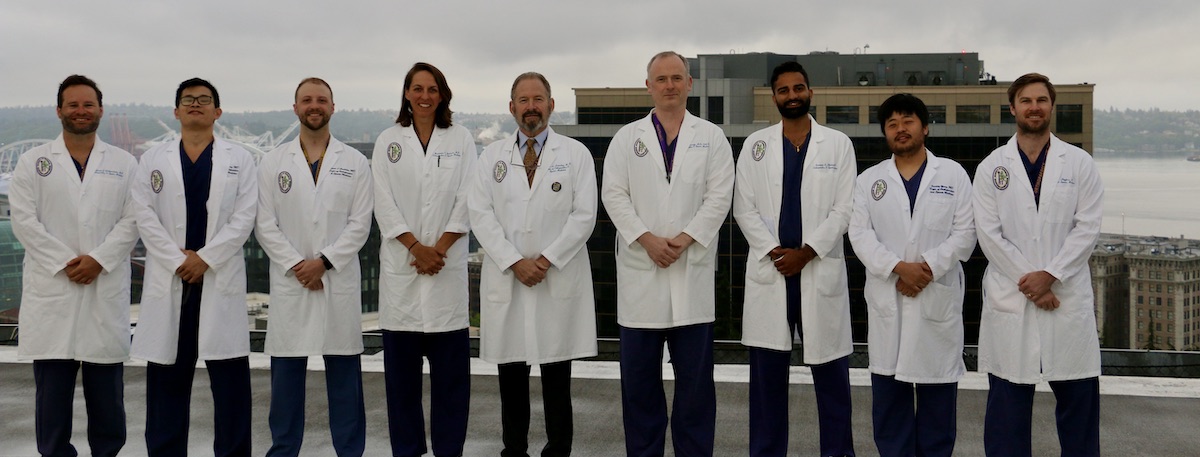
Surgery for instability is a technically demanding procedure that is ideally performed by an experienced shoulder surgeon in a medical center accustomed to performing these procedures at least several times a month. Patients should inquire as to the number of instability repairs that the surgeon performs each year and the number of these procedures performed in the medical center each year.
Surgeons specializing in shoulder instability surgery may be located through university schools of medicine county medical societies state orthopedic societies or professional groups such as the American Shoulder and Elbow Surgeons Society which offers a worldwide directory of shoulder and elbow surgeons on its web site.
Facilities
Surgery for shoulder instability is often performed in a major medical center that performs these procedures on a regular basis. These centers have surgical teams and facilities specially designed for this type of surgery. They also have nurses and therapists who are accustomed to assisting patients in their recover from this type of surgery.
|